Adopt scientific mindfulness exercises, regulate sleep patterns, and master relaxation mechanics to protect cognitive capacity and systemic resilience.
Develop structured focus techniques to downregulate sympathetic fight-or-flight states and enhance focus.

Focuses on slow nasal breathing triggers paired with prolonged exhalations to stimulate the vagus nerve and slow heart rate quickly.

Directs awareness entirely to physical sensations or a single sound to stop hyper-active stress loops in the prefrontal cortex.

Non-Sleep Deep Rest techniques to downregulate motor pathways and prepare your nervous system for slow-wave sleep cycles.
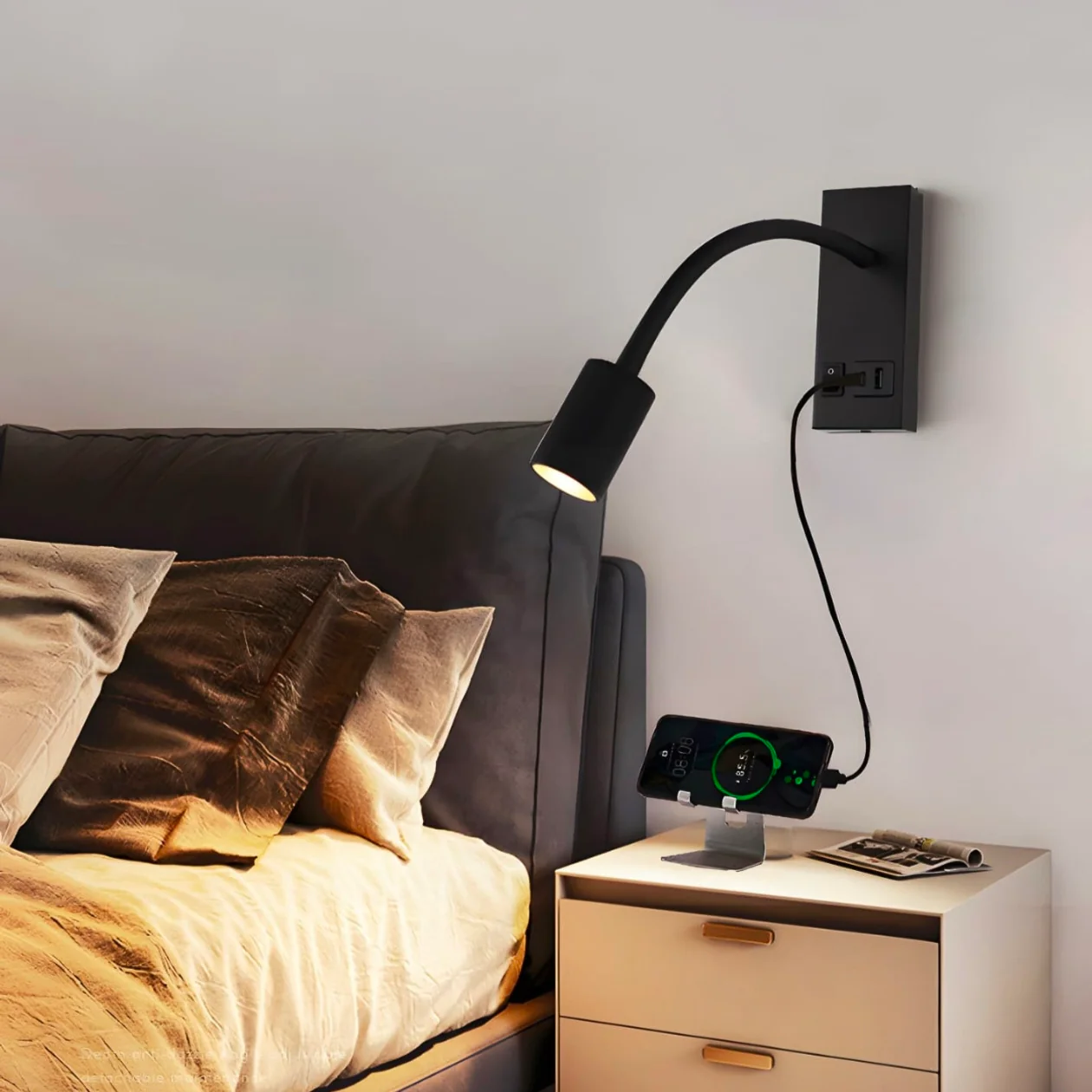
Optimize sleep architecture to enable cell repair, waste clearance, and memory consolidation.
Sustaining deep sleep phases requires managing light exposure, core temperature transitions, and late chemical inputs.
Halt all caffeine intake 10 hours before your scheduled sleep window to clear adenosine receptors.
Dim overhead lights and sub in low-level warm amber lighting to trigger natural melatonin release.
Maintain sleeping areas at 65-68°F (18-20°C). Core temperature must drop 2°F for deep sleep phase entry.
Follow this actionable checklist during high-stress scenarios to immediately stabilize cognitive focus.
Halt all outgoing physical activity and mental tasks. Bring attention entirely into the current coordinate space without cataloging reactions.
Inhale for 4 seconds, hold for 4 seconds, exhale slowly for 4 seconds, and hold empty for 4 seconds. Repeat this cycle five times to reset cardiac variance.
Focus on three distinct sounds in your area, then note two physical touch points, and locate one visual detail. This anchors cognitive processes back to reality.
Calming perspective blocks designed to remind us of the value of space, patience, and recovery boundaries.
Subscribe to access NSDR audio guidelines, sleep diary templates, and digital mindfulness logs.